

Train Felipe Ángeles
The Felipe Ángeles Train is a strategic passenger rail project in operation in Mexico. Under this official name, the Mexican government unified the network that will connect Mexico City to the state of Hidalgo, integrating the Felipe Ángeles International Airport (AIFA) along a total planned length of 130 kilometers.
The project is structured in three core phases. The original line between Buenavista and Cuautitlán, with 27 kilometers in operation since 2008; the Lechería–AIFA branch, opened in 2026 with 28 kilometers; and the segment between AIFA and the city of Pachuca, which will add a further 57 kilometers to the network.
The original Buenavista–Cuautitlán section, which already features a TETRA system deployed by Teltronic, represents a system of high operational demand. Between 140,000 and 160,000 people use the train every day, which corresponds to more than 70 million passengers per year. The system operates for nearly 20 uninterrupted hours every day, with headways between trains ranging from 6 to 15 minutes. In a scenario of such intensity, the communications infrastructure must guarantee continuous availability, with no margin for interruptions.


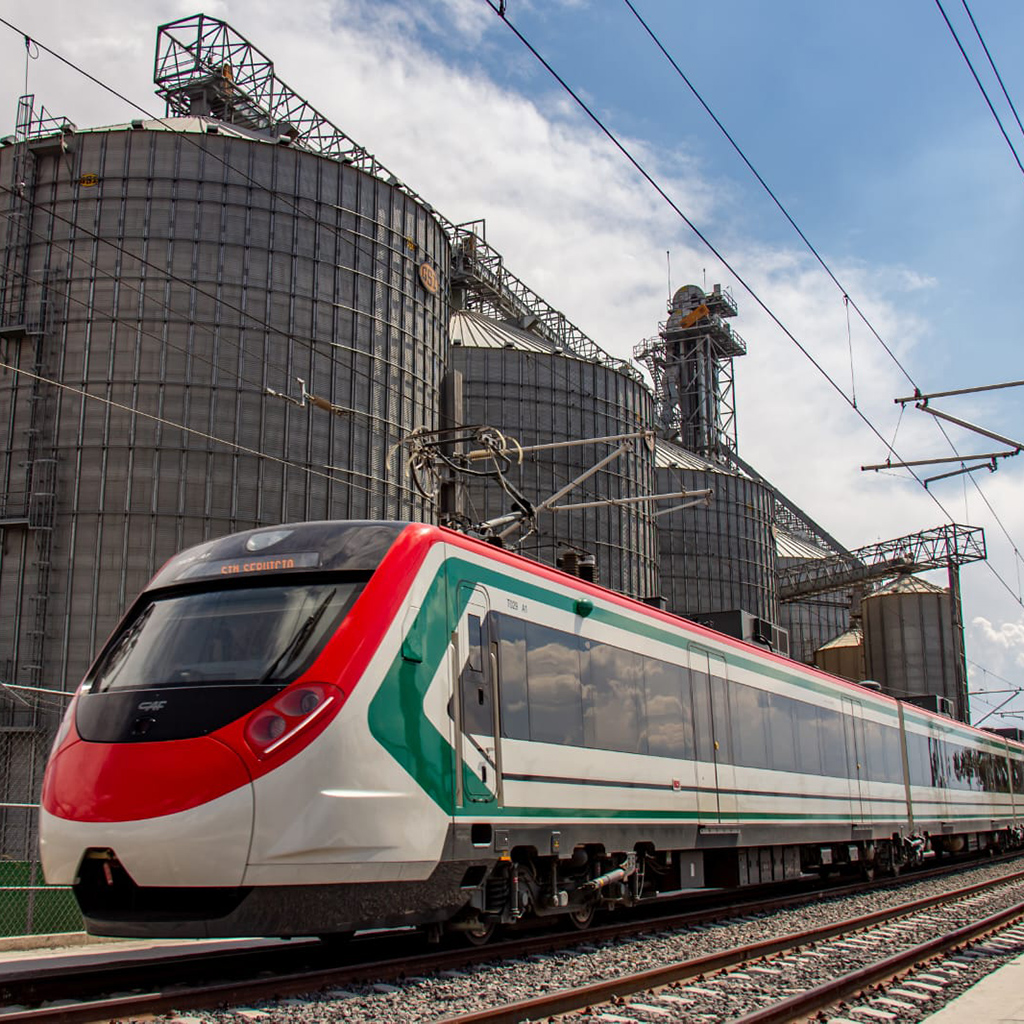
The route crosses administrative districts and municipalities, combining surface stretches, elevated structures and transition zones between the central area of Mexico City and the more dispersed urban fabric of the State of Mexico. Each segment presents different electromagnetic conditions and requires stable coverage across varied operational situations.
The expansion to the AIFA branch raised this complexity. The route crosses municipalities such as Tultitlán, Tultepec, Nextlalpan and Zumpango, with an estimated capacity to serve up to 80,000 passengers per day. A large share of these users rely on the system for everyday connections to the metropolitan transport network, as well as for access to the Felipe Ángeles International Airport.
Adding ten new trains to the service in this second phase required the entire additional fleet to be integrated into the same communications platform already in use on the original line. This unification guarantees full continuity of coverage at the strategic junction point in Lechería, allowing all trains to operate under the same mission-critical infrastructure.